
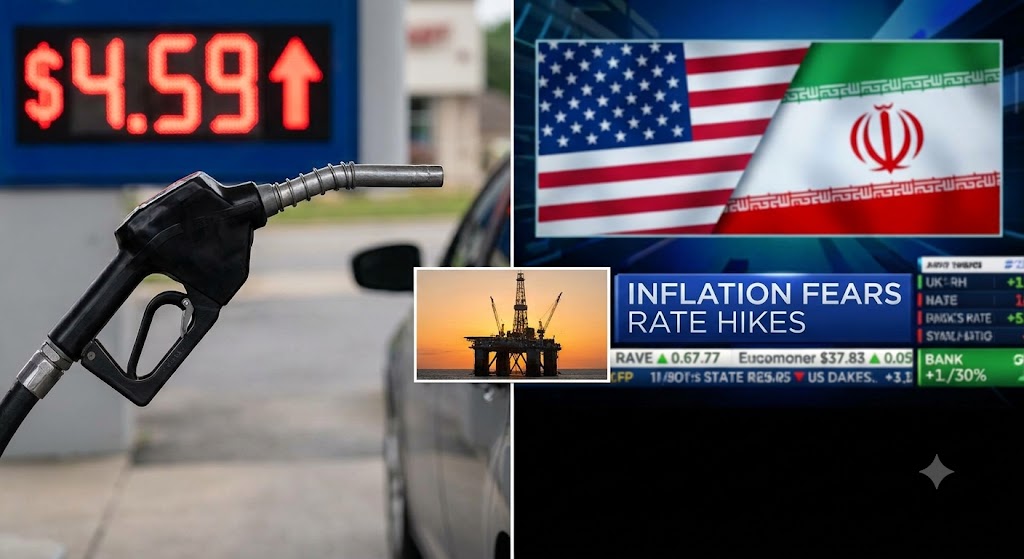
Recent military tensions between the United States and Iran have led to a surge in global oil and gas prices, heightening concerns about energy supplies and inflation. Brent crude oil experienced a significant jump, briefly reaching its highest point in over a month. However, prices eased after President Donald Trump decided against implementing a proposed 20% fee on ships transiting through the vital Strait of Hormuz.
The escalation in energy costs has sparked expectations that central banks, such as the Bank of England and the European Central Bank, might consider raising interest rates later this year to combat inflationary pressures. The market reaction was notable as bond yields increased, and European stock markets initially dipped before stabilizing once apprehensions regarding the shipping levy subsided.
Analysts warn that ongoing tensions in the Middle East are likely to keep energy markets on edge, contributing to volatility that could impact global inflation trends and monetary policy decisions in the months ahead. The Strait of Hormuz remains a critical chokepoint for the global oil supply, and any threats to its stability can have far-reaching economic implications.
The potential for increased interest rates comes as central banks worldwide grapple with balancing economic growth and inflation control. The situation underscores the interconnectedness of geopolitical events and financial markets, illustrating how regional conflicts can ripple through global economies. As the situation develops, market participants and policymakers alike are keeping a close watch on the unfolding dynamics in the Middle East.