
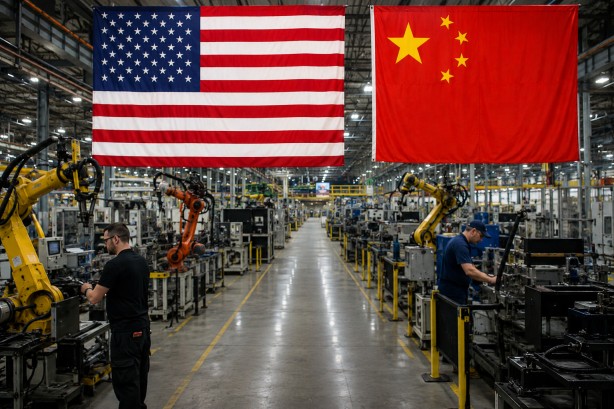
In an effort to revitalize domestic manufacturing, Democratic lawmakers have put forward a plan to create an Industrial Bank for American Manufacturing. This new initiative aims to bolster production within the United States, specifically targeting assistance for small and medium-sized manufacturers. Central to the proposal is the allocation of up to 50% of revenue derived from tariffs on Chinese imports, with an annual cap of $15 billion, to fund the bank.
The Industrial Bank would offer various financial products, including grants, low-interest loans, and equity investments, to businesses aiming to expand their manufacturing operations on American soil. Representative Ro Khanna, a key proponent of the bill, described this initiative as one of the most ambitious industrial development efforts in recent history. The primary objective is to revitalize manufacturing in areas hard-hit by factory closures and industrial decline, thereby reducing the nation’s reliance on foreign imports.
According to the proposal, individual loans would have a cap of $500 million, and any loan exceeding $100 million would require congressional approval. Proponents argue that this strategy would stimulate investment in domestic industries, generate employment opportunities, and enhance the strength of America’s manufacturing sector. The legislation comes at a time when employment in U.S. manufacturing remains significantly below historical peaks, prompting lawmakers to seek innovative solutions to foster industrial growth amid ongoing global competition.
The proposed bank is designed to serve as a financial catalyst for domestic manufacturers, offering them the necessary resources to innovate and grow. By channeling a portion of tariff revenues into this initiative, lawmakers hope to create a sustainable model that not only supports existing manufacturers but also attracts new investments into the American industrial landscape. This approach reflects a broader strategic effort to rebuild a robust manufacturing base that can compete globally while providing economic benefits at home.