
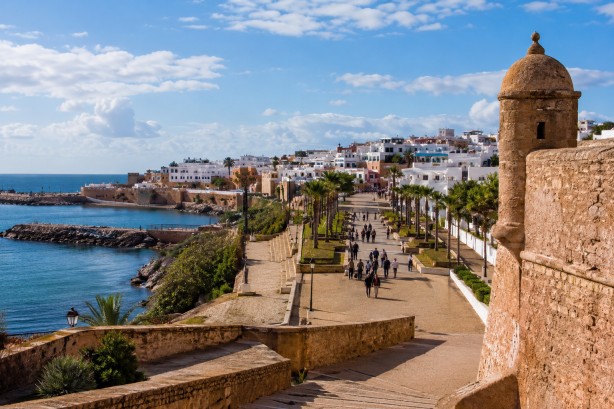
Rabat, Morocco’s capital, is set to captivate the world as UNESCO’s World Book Capital for 2026, yet the city’s allure goes far beyond its literary acclaim. Known for its rich history, stunning architecture, and vibrant art scene, Rabat offers a serene escape from Morocco’s more bustling tourist hotspots. The city beautifully marries the old with the new, from its modern boulevards and contemporary buildings to the ancient medina’s narrow streets, where local markets brim with traditional crafts, spices, and fresh produce. Unlike the often crowded tourist spots, Rabat’s medina invites visitors to explore at their own leisure.
Art lovers will find a treasure trove at the Mohammed VI Museum of Modern and Contemporary Art, which boasts an impressive collection of Moroccan artworks, charting the nation’s artistic journey through engaging installations, photography, and paintings. For those drawn to history, the Kasbah of the Oudayas is a must-visit. This historic fortress offers breathtaking views of the Atlantic Ocean and features charming white-and-blue houses and peaceful alleys. Nearby, the Andalusian Gardens provide a tranquil retreat with lush flowers, orange trees, and shaded paths.
Rabat’s coastline adds another layer to its charm, with its beaches offering a lively yet relaxing atmosphere. Families, football enthusiasts, and surfers flock to these sands, particularly at sunset when the Atlantic vistas are nothing short of spectacular. The city’s culinary scene is equally enticing, with traditional Moroccan dishes such as lamb tagine, couscous with seasonal vegetables, and freshly baked khobz bread paying homage to the country’s rich culinary traditions. Refreshing mint tea at cafés overlooking the Bou Regreg River rounds out the experience.
For history buffs, the Chellah archaeological site is an intriguing blend of ancient Roman ruins and a medieval Islamic necropolis, offering serene gardens, historic walls, and panoramic views. Exploring the city via electric tuk-tuks offers a unique perspective, providing convenient transport while passing iconic landmarks. As evening falls, waterfront restaurants along the river become ideal spots to savor local cuisine against a backdrop of scenic views.
Rabat’s literary scene is also on the rise, with independent bookstores offering a diverse selection of new and second-hand books, further cementing the city’s cultural identity. As it prepares to embrace its title as UNESCO’s World Book Capital, Rabat remains a captivating destination that seamlessly blends its rich history, vibrant culture, warm hospitality, and coastal beauty, promising travelers a rewarding and memorable journey.