
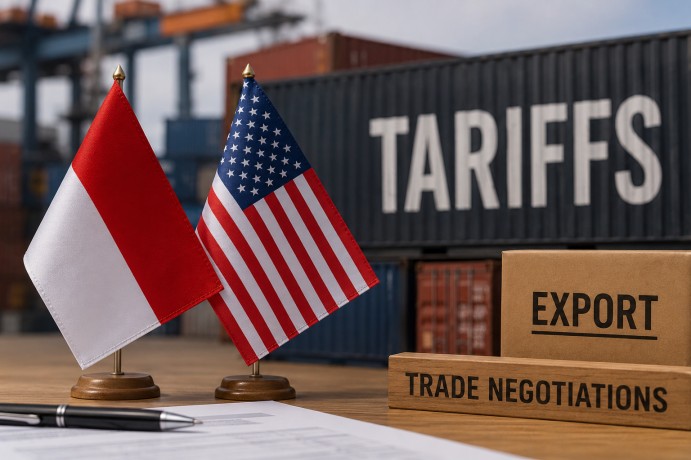
Indonesia is seeking assurance that the United States will maintain previously agreed-upon tariff exemptions for its key exports. This comes in the wake of a new 10% U.S. tariff being implemented. The U.S. has introduced these tariffs out of concerns related to forced labor enforcement, placing Indonesia among the countries subject to this lower levy. Indonesian officials have expressed their intention to remain in close communication with U.S. trade authorities, hoping that existing trade agreements will continue to allow duty-free access for their products, including crude palm oil, cocoa, coffee, and natural rubber.
In tandem with these developments, Indonesia is also anticipating the outcome of a separate investigation by the United States concerning structural excess capacity, which could potentially lead to further trade measures. The Indonesian government has affirmed its commitment to ongoing negotiations aimed at securing competitive tariff rates to protect its export markets.
The recent U.S. policy shift includes provisions for preferential treatment of certain Indonesian textile exports that incorporate U.S. cotton and other American inputs. This aspect of the policy highlights an opportunity for Indonesia to leverage its textile industry under the new trade regulations.
In terms of bilateral trade figures, Indonesia reported a trade volume of $18.4 billion with the United States during the initial five months of 2026. This period recorded a trade surplus for Indonesia of approximately $7 billion, indicating robust economic exchanges between the two nations despite the looming trade policy adjustments.