
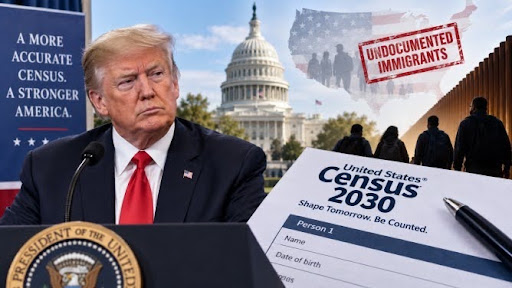
The Trump administration has put forward a proposal to alter the US census by excluding undocumented immigrants from the population tally. This change could have major implications for how federal resources are distributed and how congressional districts are drawn. While the plan would continue to count lawful permanent residents, it proposes to omit undocumented immigrants and individuals in certain other non-permanent immigration categories. To implement this, the Census Bureau is considering using existing government records to ascertain the legal status of individuals included in the census count.
The US census, conducted every decade, has traditionally counted every person residing in the country, irrespective of their citizenship or immigration status. The data collected from the census is crucial not only for determining the allocation of federal funds but also for deciding the number of seats each state holds in the House of Representatives. The potential exclusion of undocumented immigrants could therefore alter the political and economic landscape significantly, impacting communities that rely heavily on federal aid and representation.
Additionally, the administration is evaluating changes to the census questions concerning race and ethnicity. These considerations come amid concerns about the utility and sensitivity of this information. Any adjustments to these questions could potentially influence the demographic data that governments and policymakers rely on for decision-making and planning.
The proposal is anticipated to encounter opposition from Democratic lawmakers and advocacy groups. They argue that the Constitution mandates the census to count every person living in the United States, regardless of their legal status. Legal challenges are expected as opponents prepare to contest the proposal, highlighting the ongoing debate over the interpretation of constitutional requirements concerning the census.