
The recent memorandum of understanding signed between the United States and Iran has sparked a wide range of reactions globally. While some leaders view it as a positive step toward reducing regional tensions, others criticize it for potentially giving Iran significant concessions without securing firm commitments regarding its nuclear ambitions. The agreement has been lauded by Pakistan’s Prime Minister Shehbaz Sharif, who emphasized the importance of diplomacy and noted that the deal could lead to the reopening of the Strait of Hormuz and further negotiations between Washington and Tehran. The leaders of the G7 also expressed their approval, seeing it as a crucial opportunity to curb Iran’s nuclear weapon development and stabilize global energy markets.
According to the agreement, Iran commits to reopening the Strait of Hormuz, a vital oil shipping route, while the United States will ease certain sanctions related to Iranian oil exports and banking services. This development sets the stage for discussions over the next 60 days, focusing on Iran’s nuclear program and its stockpile of highly enriched uranium. However, the deal has met with staunch opposition in Israel, where political leaders and former officials argue that easing economic pressure could empower Iran without imposing meaningful limits on its nuclear activities. Critics also claim that Israel was marginalized during the negotiations, and some analysts caution that the agreement might pose increased security risks for the country.
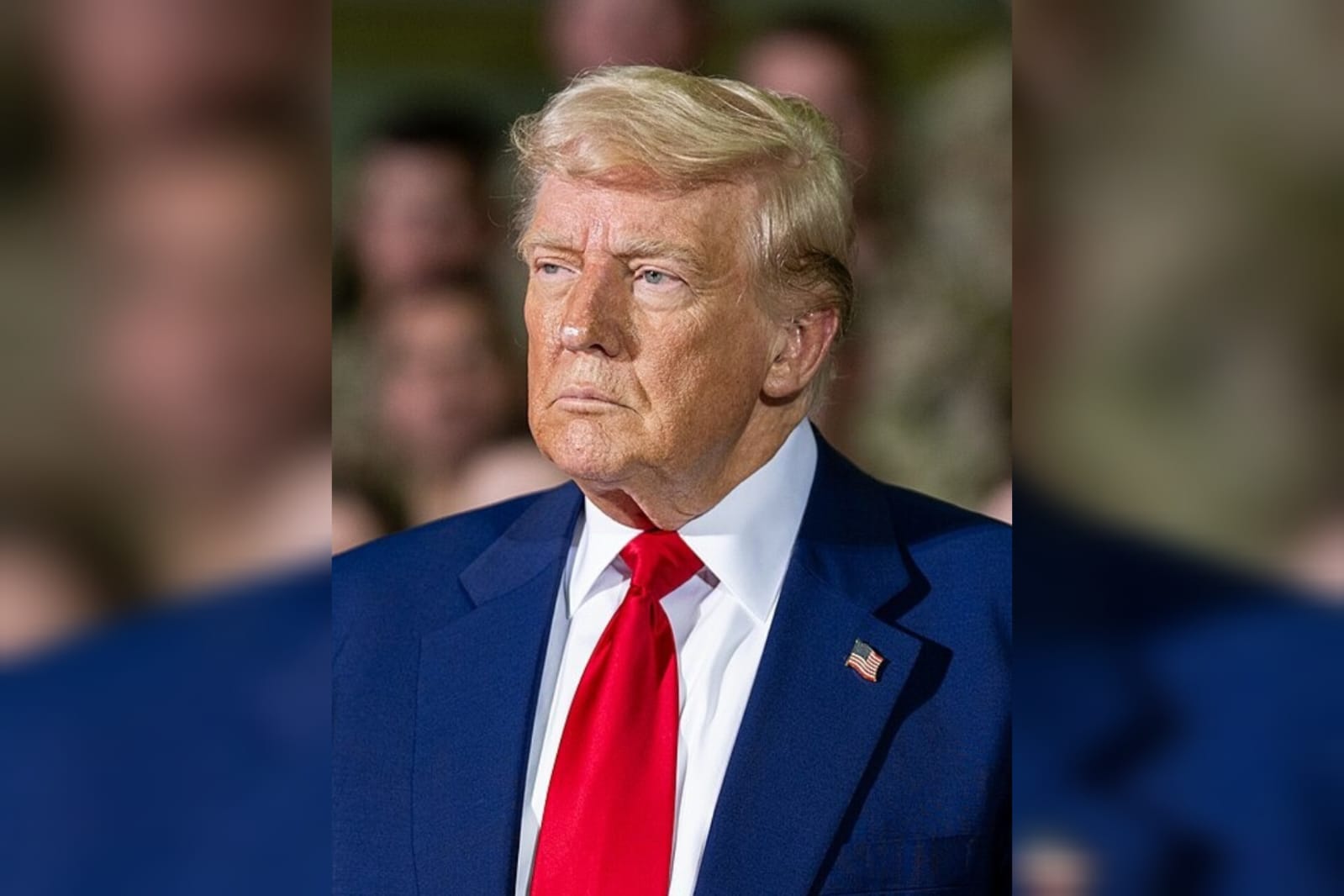
In the United States, the response to the agreement has been mixed. Some Republican lawmakers see potential in giving diplomacy a chance, particularly appreciating the reopening of the Strait of Hormuz and the reduction of hostilities as favorable outcomes. In contrast, other Republicans, alongside several Democratic leaders, have criticized the agreement for providing Iran with economic advantages while securing only vague commitments on its nuclear program. President Donald Trump hailed the deal as a significant triumph for the United States, whereas Iranian officials presented it as a testament to their successful negotiating tactics.
The agreement marks a significant moment in U.S.-Iran relations, as it attempts to balance diplomatic engagement with strategic interests in the region. While the support from international leaders underscores its potential benefits, the criticisms highlight the complexities and challenges inherent in negotiating with Iran. As the world watches, the coming months will be crucial in determining whether this agreement can lead to sustainable peace and security in the region, or if further diplomatic efforts will be necessary to address ongoing concerns.