
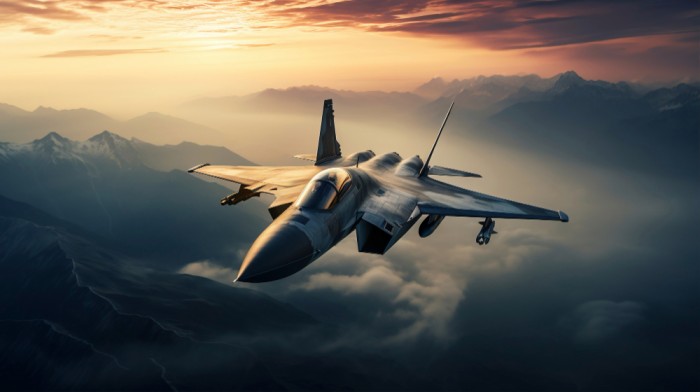
The United States has launched a new series of military strikes against Iran, marking a notable escalation in the ongoing conflict over the strategically vital Strait of Hormuz. These recent operations targeted Iranian military infrastructure, with U.S. officials stating the objective was to diminish Iran’s capacity to threaten commercial shipping and international maritime traffic in the area.
President Donald Trump clarified that the strikes were meant to hold Iranian forces accountable for their actions. However, Iran has strongly condemned these attacks, arguing that they have derailed recent diplomatic efforts and rendered negotiations ineffective. Tensions have been rising as Iran previously initiated missile and drone attacks on U.S. military sites across several Gulf countries. Additionally, Iran announced renewed restrictions on movement through the Strait of Hormuz, a critical point for global energy supplies, stating that shipping would remain limited until regional stability is achieved.
The escalating exchange of attacks has heightened concerns about security in one of the world’s most crucial energy corridors. The Strait of Hormuz is responsible for a significant portion of global oil and liquefied natural gas exports, and the renewed tensions have already led to increased global oil prices, driven by fears of a prolonged disruption.
Despite the intensifying conflict, the United States has asserted that its military forces will continue operations aimed at preserving freedom of navigation and ensuring the safe passage of commercial vessels through the region. The U.S. stance underscores its commitment to maintaining security and stability in this strategically important area, even as the risk of further escalation looms.